

In the rich treasure trove of religious culture of the Balamon Cham people, alongside famous large-scale festivals like Katé or Ramawan, there exist ritual practices with profound spiritual meanings closely tied to life cycles and agricultural production. A prime example is the Yuer Yang festival (also known as the Don Giang or Rain Praying Ceremony). Considered the final seasonal transition ritual of the year, it plays a vital role in the spiritual life of the Cham people. The festival is not only an occasion for the community to express sincere gratitude to the deities, praying for favorable weather and abundant crops, but also embodies aspirations for a peaceful, prosperous life that has been preserved and passed down through generations.
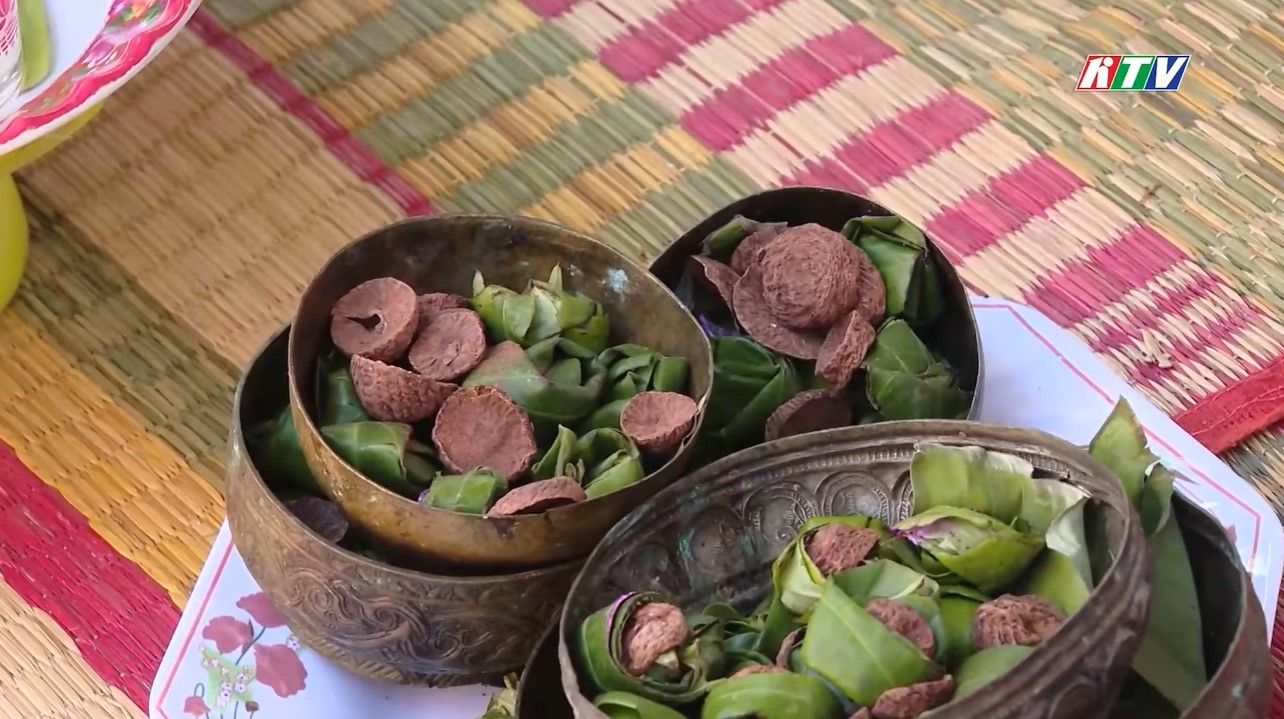
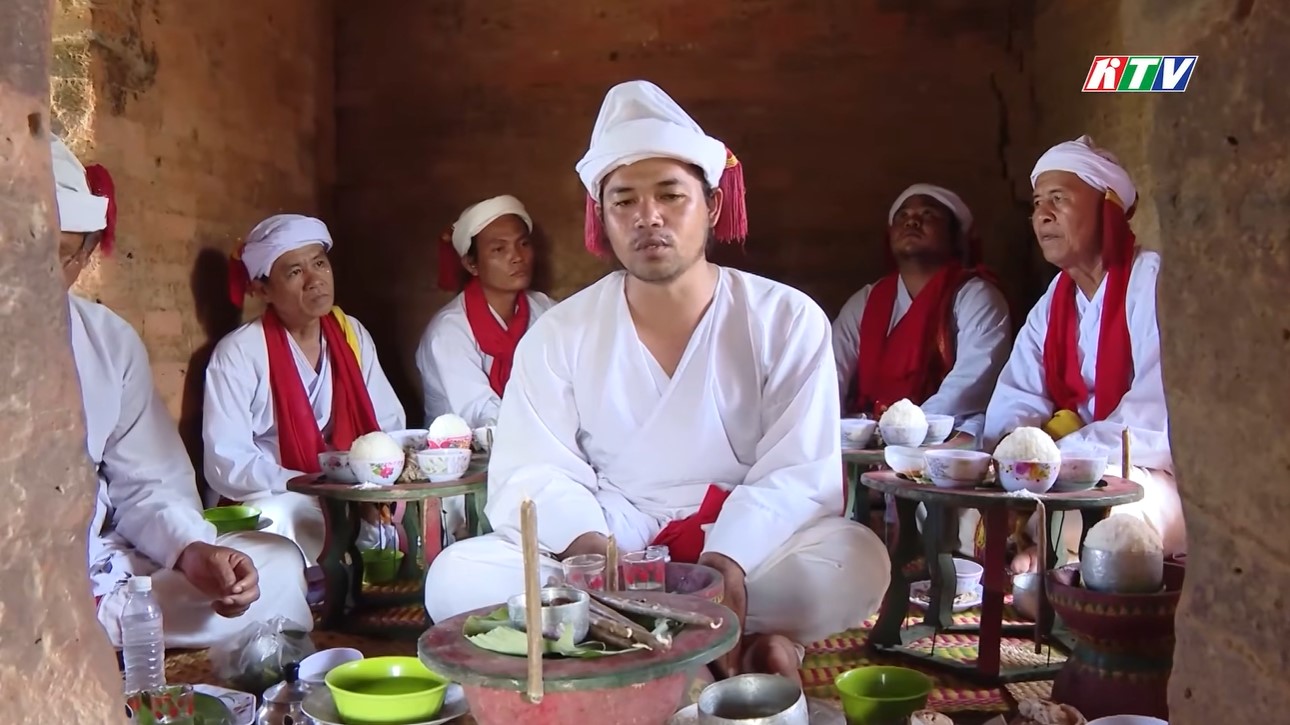
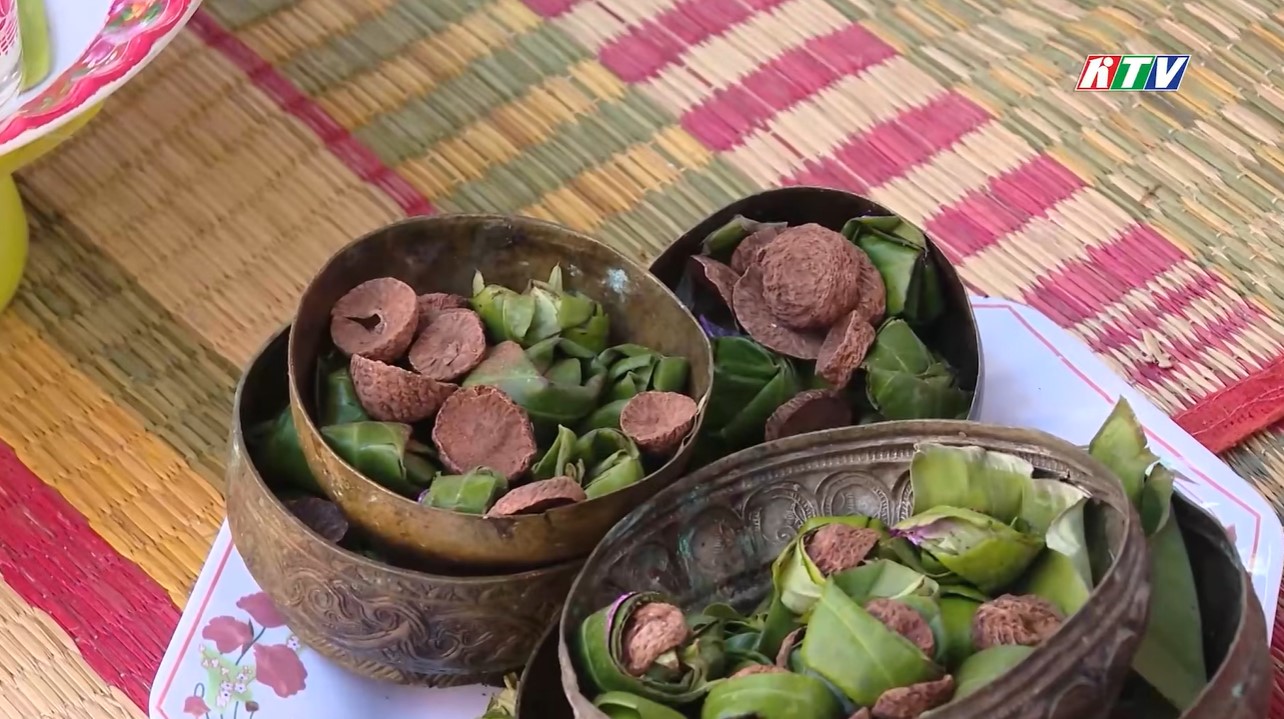
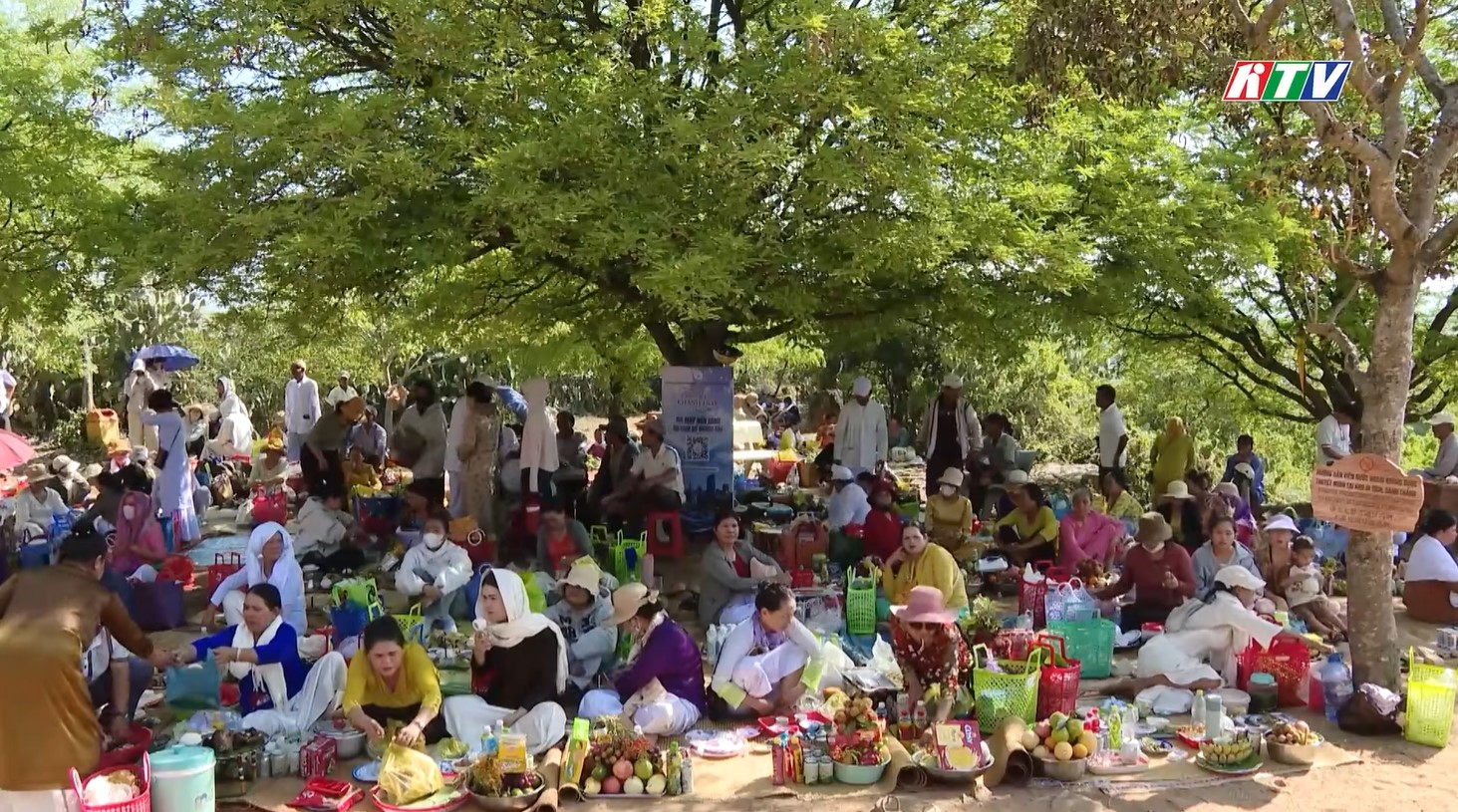
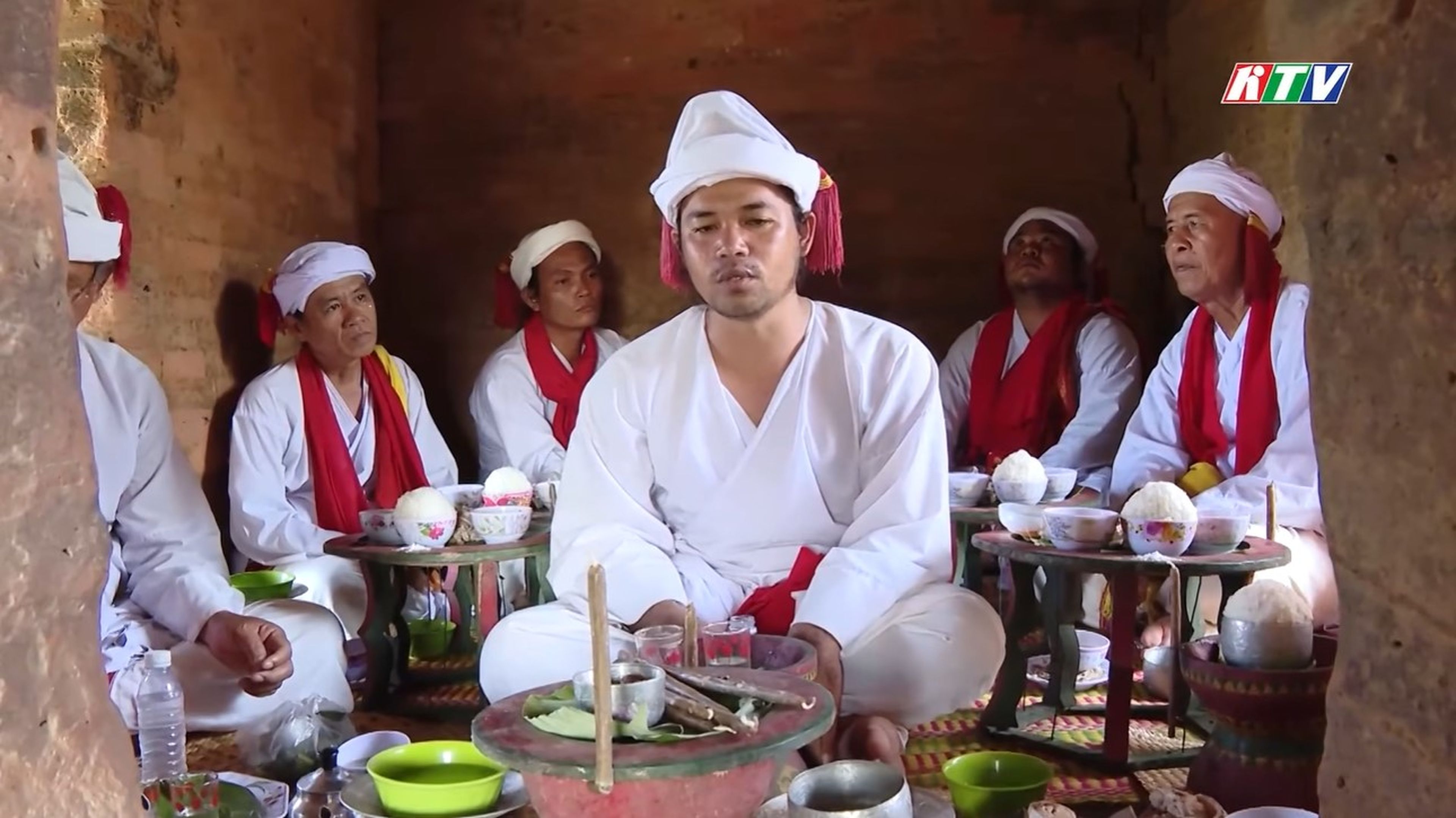
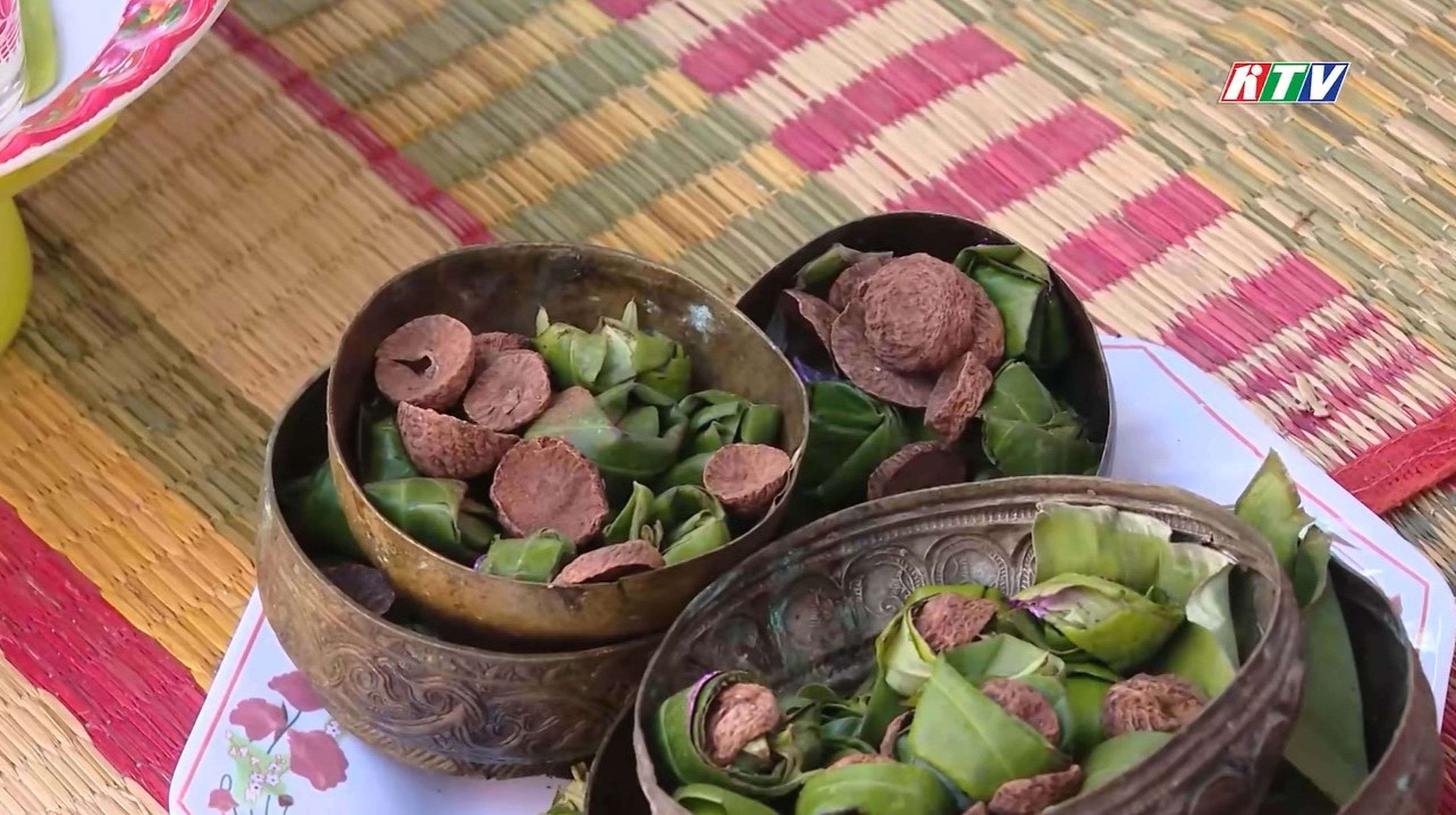
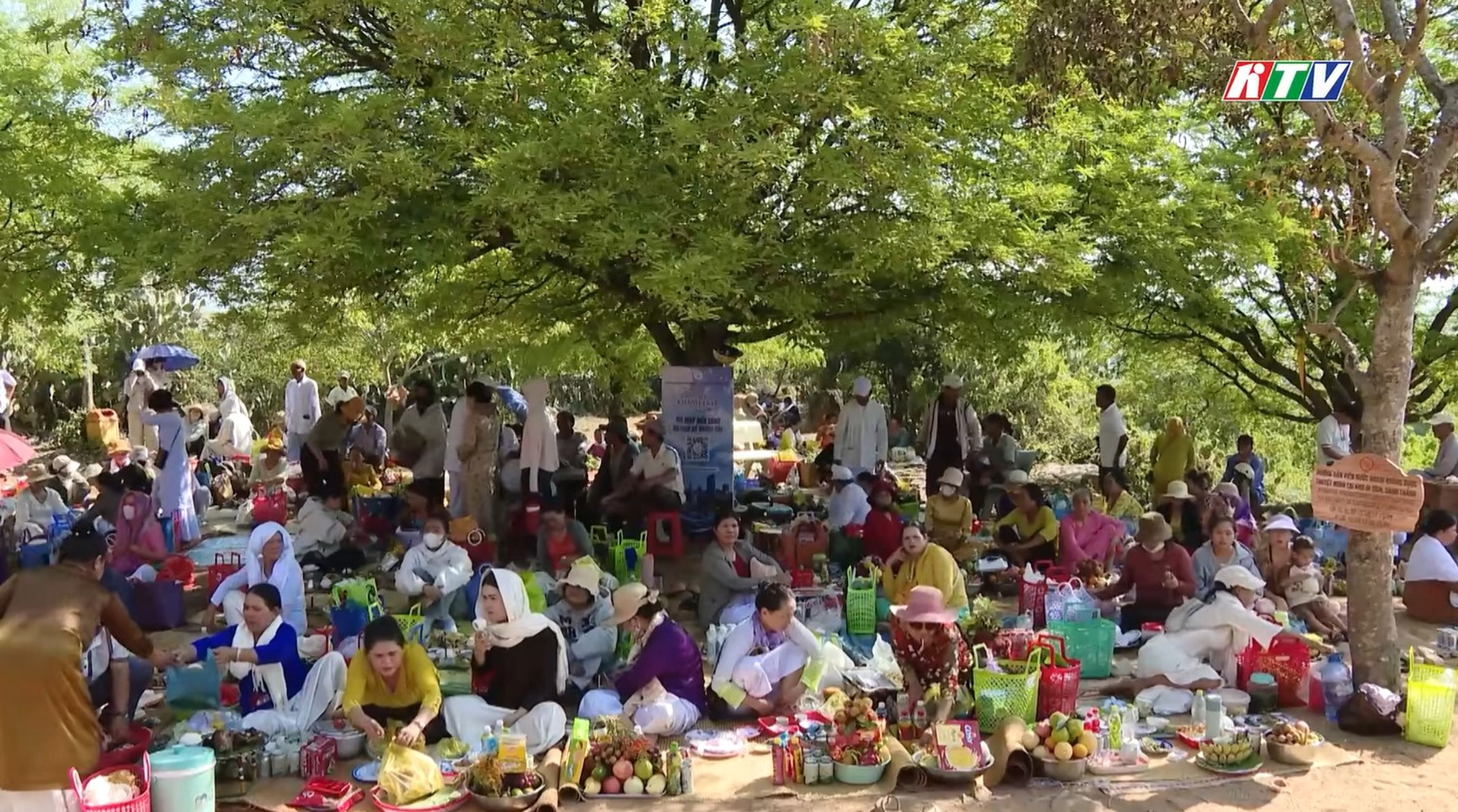
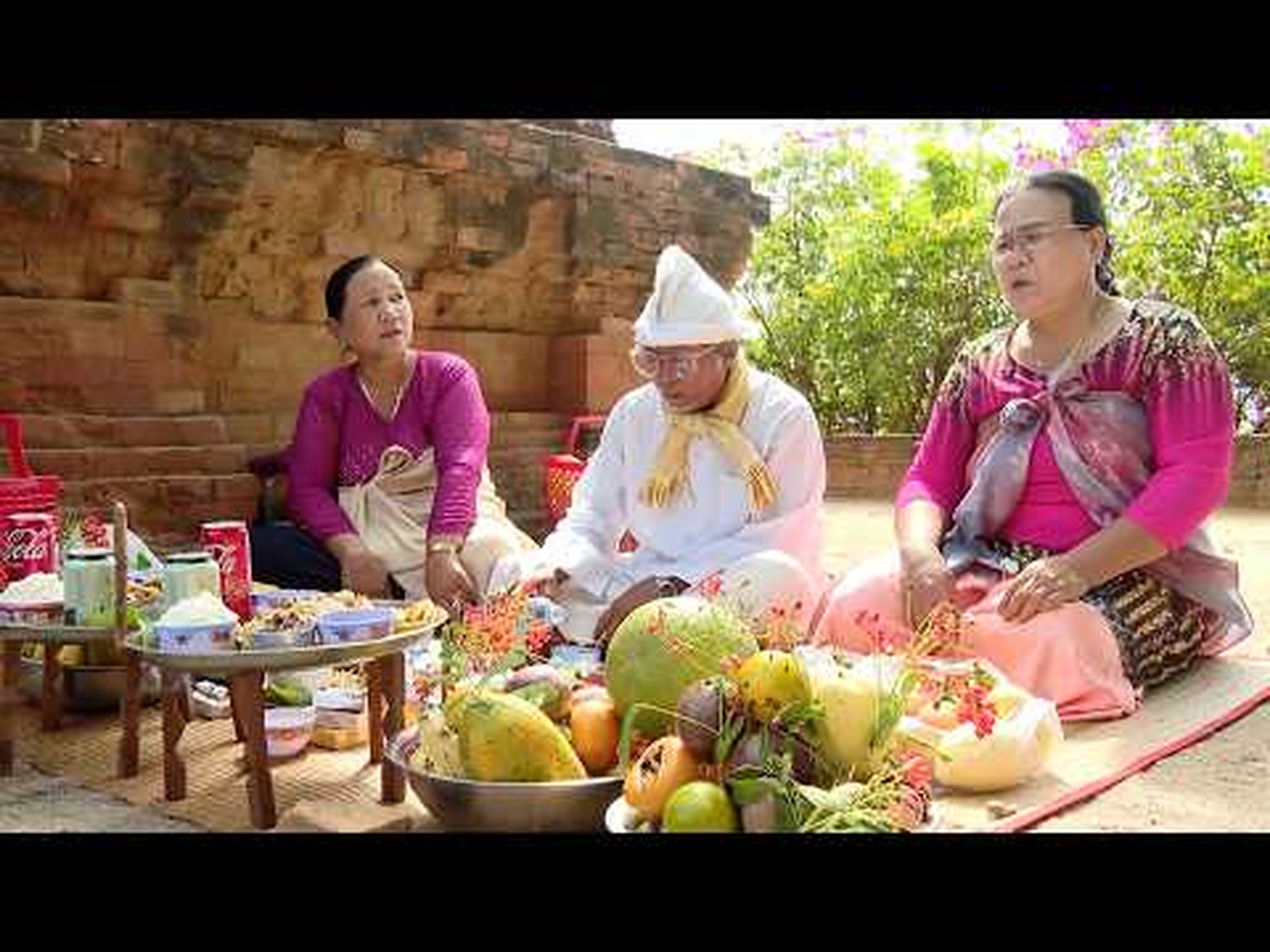
This year's Yuer Yang festival took place over two days, May 19 and 20, in the ancient, sacred space of Po Klong Garai Tower. From early morning, a large number of Cham people dressed in vibrant traditional attire gathered at the foot of the tower, bringing carefully prepared offerings made from local produce to present to their ancestors and deities. Before entering the main ceremony, the dignitaries strictly performed traditional rites, including the announcement ceremony, opening the tower doors, bathing the statues, and changing the deities' garments. This was followed by four crucial rites: purifying the temple, offering sacrifices, chanting grand scriptures, and worshipping the fire god to dispel bad luck and wish peace and health for all.
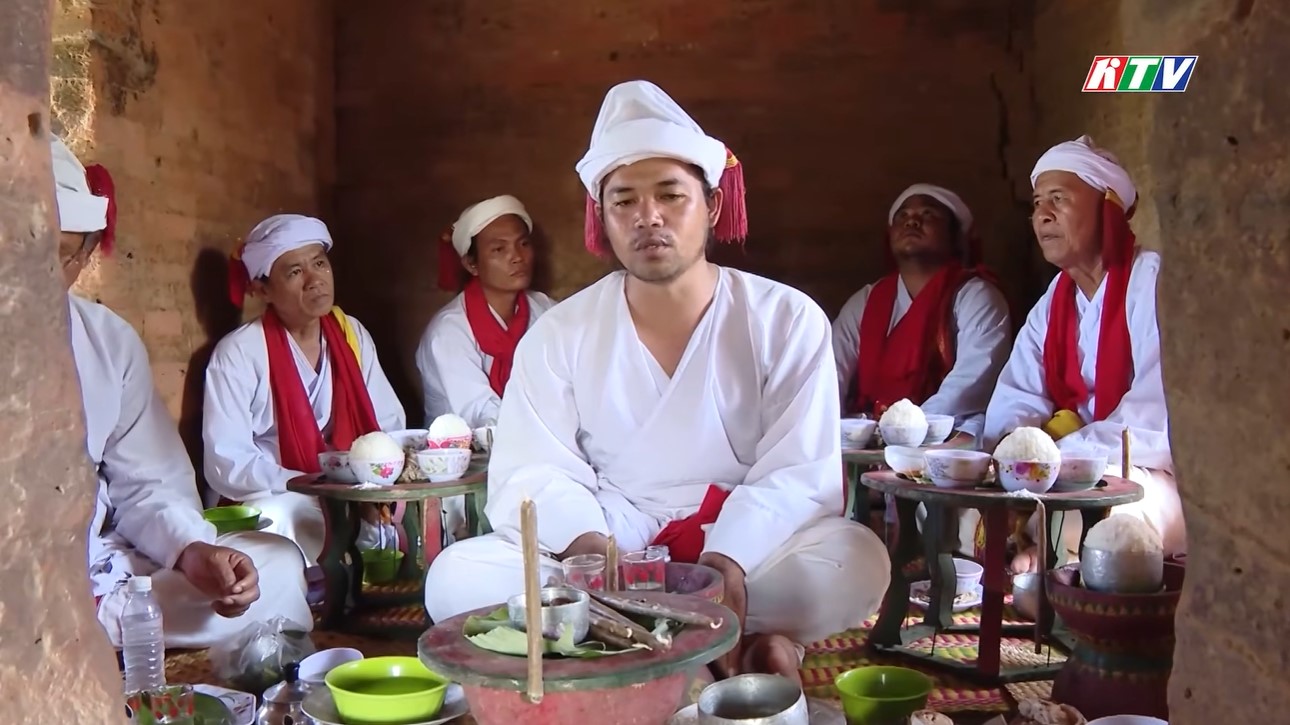
A special highlight of the Yuer Yang festival is its direct link to the practical agricultural activities of the locals. Immediately after concluding the rituals at the tower, the Cham community proceeds with the dam-building and water-channeling ceremony, officially commencing a new farming season. The festival not only attracts the Cham people but also warmly welcomes numerous domestic and international tourists, as well as Kinh and Raglai people who come to worship and experience the event. The proactive effort of young families in preserving traditional beauty by bringing their children along has helped the Cham cultural current flow naturally while opening up sustainable spiritual tourism opportunities for the locality.